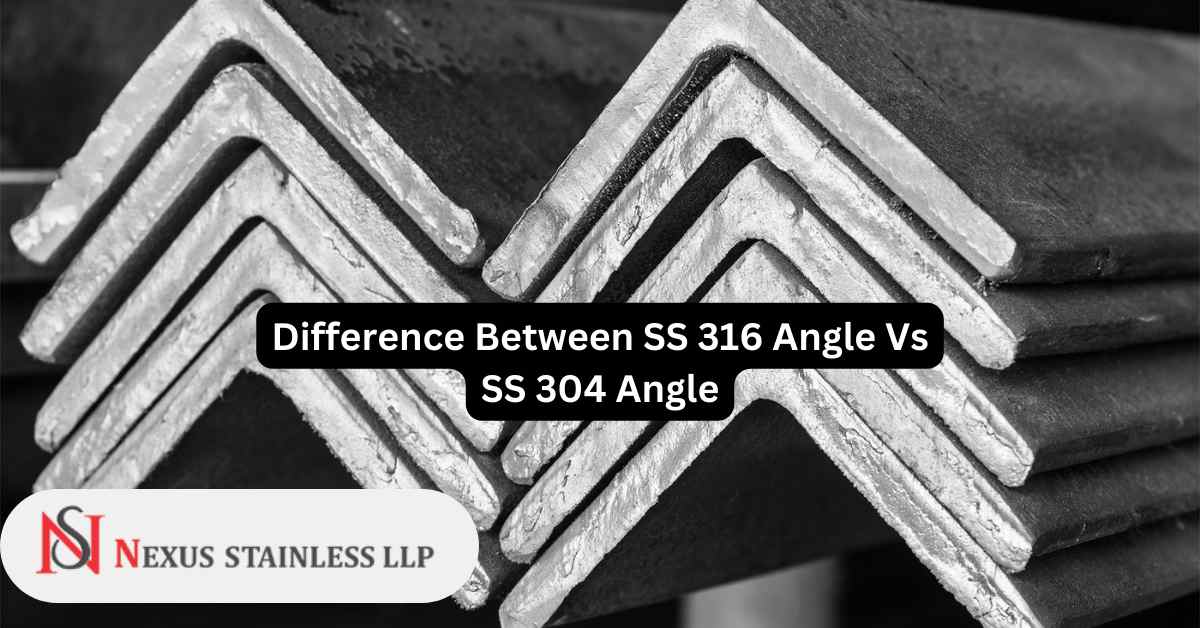
All Stainless Steel 316 Angle & Stainless Steel 304 Angle is made of the same amount of pure iron and carbon, but stainless steel also has a healthy amount of alloy chromium, which gives stainless steel its well-known corrosion resistance. Stainless steel is available in various grades, each with a slightly different alloy composition and, therefore, slightly different physical characteristics.
The grade may include additional alloying components, including molybdenum, nickel, titanium, aluminum, copper, nitrogen, phosphorus, or selenium, and substantially greater chromium levels.
Common Stainless Steels
The main distinction is the use of molybdenum, an alloy that significantly improves corrosion resistance, particularly in areas with higher salinity or chloride exposure. Stainless steel is a perfect corrosion-resistant material for outdoor furniture like rails and bollards, but it will only tolerate prolonged exposure if the grade is suitable for the area.
304 is an economical and practical choice for most environments, but it doesn’t have the chloride resistance of 316. The slightly higher price point of 316 is well worth it in areas with high chloride exposure, especially near the ocean or by heavily salted roadways.
Stainless Steel 304 Angle
Stainless Steel 304 Angle is the most common stainless steel used worldwide due to its excellent corrosion resistance and value. 304 Angle has a chromium content of 16 to 24%, a nickel content of up to 35%, and trace levels of carbon and manganese.
Three hundred-four can withstand corrosion from most oxidizing acids. That durability makes 304 easy to sanitize and ideal for kitchen and food applications. It is also common in buildings, décor, and site furnishings.
Typical applications for stainless steel 304
- Tank storage
- Hardware for finishing and fasteners
- Dishes and pots
- Household sinks and sink components
- Hardware for interior architecture and decoration (panels, Sculptures, sconces)
- Apparatus tubing
- Household appliances
Stainless Steel 316 Angle
Stainless Steel 316 Angle includes a similar composition of materials and has approximately identical physical and mechanical qualities to 304 stainless steel. The critical difference is that Stainless Steel 316 Angle incorporates about 2 to 3 percent molybdenum.
316 is commonly used in many industrial applications involving processing chemicals and high-saline environments such as coastal regions and outdoor areas where Power salts are common & also utilized to make medical and surgical tools because of its non-reactive properties.
Typical applications for stainless steel 316
- Production of pharmaceuticals
- Chemical production
- Transportation of industrial and chemical goods
- Pressure tanks
- For use in chemical applications, cisterns and pipes
- Used in medical equipment
- Marine apparatus
- Outdoor site equipment
- Industrial kitchens
- Production and preparation of food in salty settings
- Commercial equipment
Versatile Applications
304 and 316 stainless steel use nickel to maintain an austenitic composition at lower temperatures. Austenitic steels are perfect for outdoor architectural features, medical equipment, and food processing equipment because they provide a flexible blend of strength, workability, and corrosion resistance. The ultimate benefits of stainless steel include a long service life that will retain an attractive, clean finish.